Winter lawn care checklist Wallington gardeners 2026 tips
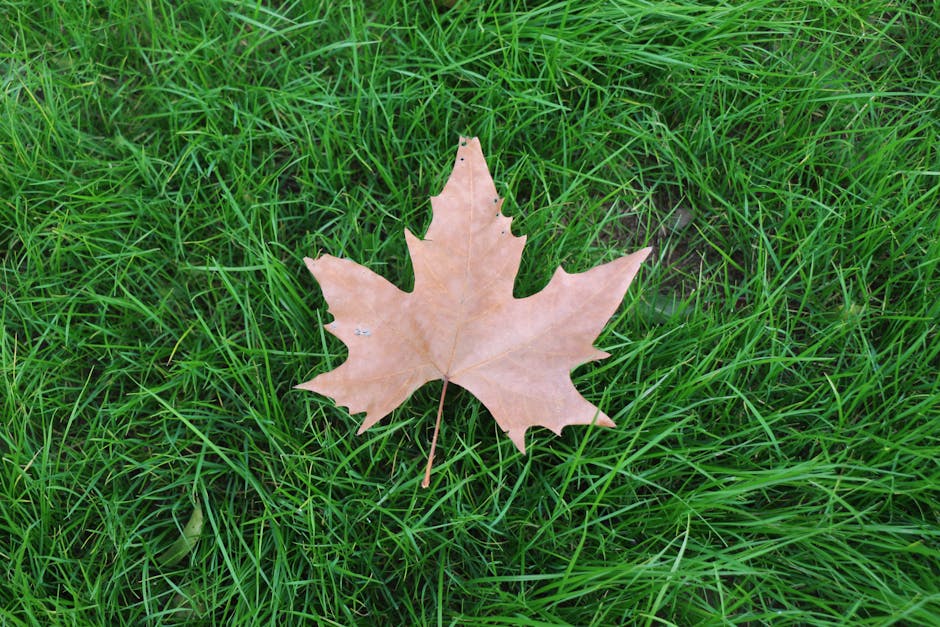
Cold weather does not mean your lawn is done for the year. In Wallington, where winter can swing between damp, mild spells and sudden frosts, the real challenge is keeping grass healthy without overworking it. This guide to Winter lawn care checklist Wallington gardeners 2026 tips is built for exactly that: practical, local, and realistic advice you can actually use without turning your garden into a project that never ends.
Truth be told, most winter lawn damage starts quietly. A bit of compaction here, a few soggy patches there, and before long the grass is thin, muddy, and patchy by spring. The good news? A sensible winter routine can prevent a lot of that. You do not need fancy kit or endless spare time. You just need the right sequence, a little timing, and a willingness to leave the lawn alone when it is telling you to.
Below, you will find a full seasonal checklist, expert tips, common mistakes, and a practical way to decide what to do now and what to leave until spring. If you are also planning broader garden work, it can help to look at a wider garden maintenance plan so your lawn care fits neatly into the rest of the plot rather than competing with it.
- Why this winter checklist matters
- How winter lawn care works in Wallington
- Key benefits and practical advantages
- Who this is for and when it makes sense
- Step-by-step winter lawn guidance
- Expert tips for better results
- Common mistakes to avoid
- Tools, resources and recommendations
- Law, compliance and best practice
- Options and method comparison
- Case study example
- Practical checklist
- Conclusion
- Frequently asked questions
Why Winter lawn care checklist Wallington gardeners 2026 tips Matters
Winter lawn care matters because winter is not a dormant "do nothing" season. It is more like a quiet pressure test. Saturated soil, low light, cold nights, and occasional foot traffic all expose weak points in the turf. If you ignore those weak points now, you usually pay for them later with bare patches, moss, drainage issues, and uneven growth once temperatures rise.
Wallington gardens often have a mix of older turf, shaded boundaries, compacted paths, and family use. That combination can be awkward in winter. A lawn that looks fine in October can start showing wear quickly once the weather stays wet. You will notice it most around edges, play areas, and anywhere people naturally cut across the grass. That is normal, but it is also preventable in part.
Another reason this checklist matters in 2026 is simple: homeowners are becoming more selective about low-waste, practical garden care. There is a stronger focus on soil health, recycling clippings, and avoiding heavy-handed treatments that do more harm than good. A winter lawn plan should reflect that. The aim is to protect the lawn with the least disruption possible. Less drama, better spring recovery. Sounds good, right?
If your garden also has hedges, borders, or larger clear-up jobs to handle before the cold really sets in, you may want to combine lawn care with a broader tidy-up or garden clearance visit. That can be a sensible way to reduce leaf load, improve airflow, and make the whole space easier to manage through winter.
How Winter lawn care checklist Wallington gardeners 2026 tips Works
Winter lawn care works by reducing stress rather than pushing growth. In warmer months, you are usually encouraging the lawn to thicken, feed, and recover quickly. In winter, the goal changes. You want to prevent waterlogging, limit compaction, keep the grass at a safe height, and avoid actions that create more damage than benefit.
The checklist works best if you think in layers:
- Surface management - keeping leaves, debris, and heavy build-up off the lawn.
- Traffic control - avoiding repeated walking on soft, saturated areas.
- Cutting strategy - mowing only when conditions allow, and never cutting too short.
- Soil awareness - checking whether the ground is draining properly or holding water.
- Recovery support - planning any repairs or feeding for the right time, not the wrong one.
In practical terms, this means a winter lawn routine should be responsive. You are not following a rigid weekly formula. Weather matters. Soil condition matters. Even the time of day matters. A frosty lawn at 8am is not the same as a slightly soft lawn by lunchtime, and it is rarely worth forcing a job just because the calendar says you should.
Think of it as common sense with a bit of rhythm. If the lawn is wet and squelchy, wait. If leaves are sitting on the grass, clear them. If the grass is still growing, mow lightly. If the soil is bare and compacted, protect it from more wear. That simple.
Key Benefits and Practical Advantages
A good winter lawn routine offers more than cosmetic value. Yes, a tidy lawn looks better. But the bigger benefit is spring performance. Grass that has been protected through winter usually wakes up quicker, with fewer weak spots and less moss pressure.
Here are the main advantages you can expect from a sensible checklist:
- Less compaction from foot traffic on saturated ground.
- Reduced disease risk by limiting damp debris and poor airflow.
- Better drainage awareness, so problems are spotted early.
- Cleaner spring recovery with fewer bare patches to repair.
- Lower maintenance stress because winter tasks stay small and manageable.
There is also a time-saving angle people sometimes overlook. A lawn that is kept clear, lightly maintained, and not overworked tends to need less rescue work later. That means fewer emergency fixes in March, less patching, and a smoother transition into the growing season. If you have ever spent a damp Saturday trying to sort out a worn, muddy lawn, you already know why that matters.
To be fair, the benefit is not only technical. There is something genuinely calming about stepping into a garden in midwinter and seeing it look orderly rather than battered by the weather. It feels cared for. That counts too.
Who This Is For and When It Makes Sense
This checklist is for Wallington homeowners, landlords, tenants with garden responsibility, and anyone looking after a domestic lawn through the colder months. It is especially useful if your lawn gets used by children, pets, or guests, because those are the gardens where winter wear builds up fastest.
It also makes sense if you have any of these conditions:
- heavy shade from fences, trees, or buildings
- patchy grass or repeated bare areas
- clay-heavy soil or slow drainage
- moss growth after wet spells
- a lawn that gets muddy near paths, patios, or side access
- a garden where autumn leaf fall is heavy and persistent
If your lawn is relatively new, winter care still matters. In fact, young turf can be more vulnerable to compaction and root stress. If it is older, winter maintenance becomes even more important because older lawns often carry hidden issues that only show up when growth slows.
And when does it make sense to bring in a professional? Usually when drainage is poor, moss is overwhelming the lawn, you are seeing major bare areas, or the ground is too soft to work safely. A knowledgeable gardener can judge whether you need overseeding, scarification later on, or simply a better winter routine first. Sometimes the answer is not "more treatment" but "less interference".
Step-by-Step Guidance
Here is a practical winter lawn routine you can follow without overcomplicating it. Keep it flexible. Weather always has the final say, especially in this part of South London.
1. Clear leaves and debris regularly
Leaves left on the lawn trap moisture and reduce airflow. That combination can encourage fungal issues and patchy grass underneath. Use a light rake, a leaf collector, or a blower on a gentle setting if appropriate. The point is not to strip the lawn bare, just to stop smothering it.
A small pile of leaves left for a week is fine in dry weather. A wet mat left for three weeks in December? Not ideal. Not even close.
2. Keep mowing only when conditions are right
If the grass is still growing, you can mow occasionally through early winter, but only when the lawn is dry enough and frost-free. Raise the blade height a little so you are trimming rather than scalping. Short grass is more exposed to cold stress and can struggle to recover.
Do not mow frozen grass. It sounds obvious, but people still do it because they have a free hour and the mower is already out. The damage can be surprisingly stubborn.
3. Avoid walking on saturated turf
This is one of the biggest winter mistakes. If the soil is soft, repeated foot traffic compacts it. Compacted soil holds water badly, which then weakens the roots. Use a different route if you can. If one narrow path keeps getting used, consider stepping stones or a temporary route for the season.
4. Check for standing water or drainage problems
After a heavy rain, look for puddles that remain long after other areas have drained. Small low spots are common, but regular standing water is a warning sign. You may need to improve soil structure later, re-level a dip, or adjust nearby borders and edging that are directing water onto the lawn.
If the problem is part of a wider garden layout issue, broader landscape gardening work may be worth considering rather than tackling the lawn in isolation.
5. Remove fallen branches and hard debris
Winter winds can leave twigs, small branches, and rubbish scattered across the grass. Clear these promptly so they do not create dead patches or make mowing awkward when you next need it. A small branch left for a fortnight might not seem like much, but it can flatten the grass underneath and invite mildew if the area stays damp.
6. Hold off on heavy feeding unless conditions support it
Winter is not the time for strong growth push unless you are following a very specific, well-timed programme. In most domestic gardens, a gentle approach is safer. If you are unsure, it is usually better to wait for the right seasonal window than to force the issue in cold soil.
7. Plan repairs for late winter or early spring
Bare patches, overseeding, and more involved renovation jobs are often better saved for the next workable window. Winter is for protection and observation. Spring is usually the time for active repair. That sequence matters. Doing the right job at the wrong time is still the wrong job.
Expert Tips for Better Results
Here are the little things that make winter lawn care more effective. They are not flashy, but they do add up.
- Use the lawn as little as possible when it is soft. It sounds simple because it is.
- Keep mower blades sharp. Ragged cuts stress the grass more than clean ones.
- Watch the edges. Borders near paths, hedges, and patios often suffer first.
- Do small jobs before they become wet-weather jobs. A ten-minute leaf clear-up is easier than a Sunday rescue mission.
- Look at the whole garden, not just the lawn. Shade, overgrowth, and drainage all interact.
One useful habit is to inspect the lawn after a rain shower and again after a dry spell. That contrast tells you a lot. Where does water hang around? Which area dries fastest? Which patch gets a bit slimy underfoot? Those clues help you make better decisions later.
In our experience, the best winter lawns are not always the ones with the most treatment. They are the ones with the least unnecessary damage. A bit boring, maybe. But lawns like boring.
If hedge shade is part of the problem, especially along boundaries, it can be worth checking your hedge maintenance routine too. Dense shade reduces airflow and light, and that can keep grass damp for longer than you would expect. A lighter touch with surrounding planting can sometimes help more than a bottle of product.
Common Mistakes to Avoid
A winter lawn can go downhill quickly if you make a few avoidable mistakes. Most of them come from trying to be helpful at the wrong time.
- Cutting the lawn too short before a cold spell.
- Mowing when the ground is frozen or waterlogged.
- Leaving piles of leaves, clippings, or debris to sit for too long.
- Forcing treatment onto poor soil when the real issue is drainage.
- Ignoring patchy areas until spring, then wondering why they spread.
- Using the lawn as a storage area for bins, planters, timber, or furniture all winter.
Another common misstep is overfeeding or overwatering out of habit. Winter lawns usually need restraint, not enthusiasm. If you feel tempted to "do something" because the garden looks a bit tired, pause and ask whether that action will actually help. Sometimes the best move is leaving it alone for a week.
That is not laziness. It is judgement. Big difference.
Tools, Resources and Recommendations
You do not need a shed full of specialist equipment to manage winter lawn care well. A practical kit is enough.
| Tool or item | Best use | Why it helps in winter |
|---|---|---|
| Leaf rake or flexible lawn rake | Clearing leaves, twigs, and loose debris | Reduces smothering and damp build-up |
| Adjustable lawn mower | Light mowing during mild, dry periods | Lets you raise the cut height safely |
| Garden fork | Checking soil softness or minor aeration on workable ground | Helps assess compaction without overdoing it |
| Sturdy boots | General garden movement | Helps you avoid slipping and limits careless traffic |
| Wheelbarrow or trug | Removing waste quickly | Keeps debris off the lawn and moving to the right place |
For homeowners who want broader support, a regular lawn mowing service can be useful in the milder part of the season, especially if the garden is large or the grass grows unevenly. Likewise, if you are dealing with a bigger seasonal tidy-up, combining it with services overview planning can make the job feel less piecemeal and more coherent.
It also helps to think about waste responsibly. If you are clearing a lot of clippings or leaves, look for sensible recycling or composting options where possible. This is not just tidy-garden talk; it reduces waste and keeps the garden working with the season rather than against it. For a more sustainable approach, see the page on recycling and sustainability.
Law, Compliance, Standards, or Best Practice
Winter lawn care in a domestic garden is not usually about formal legal compliance in the way that building work or major tree operations might be. Even so, there are still sensible standards and best practices to keep in mind, especially if you hire someone or share boundary responsibilities.
First, work safely. Wet, icy, and uneven ground can be hazardous. If a contractor is involved, it is reasonable to expect proper insurance, safe working methods, and care around your property. A professional outfit should be able to explain its general safety approach clearly. If you want to understand that side of things better, the insurance and safety information is a sensible place to start.
Second, avoid nuisance or damage to neighbours. Winter work can create noise, leaf movement, or access issues, particularly on tighter streets and shared boundaries. Keep jobs proportionate and considerate. That is usually just good neighbour sense, but it matters.
Third, if your winter work involves hedges or nearby trees affecting your lawn, it is worth remembering that boundary growth and height issues can shape light levels and maintenance needs. A previous guide on hedge height rules and Wallington gardeners advice may be useful context if shade or overgrowth is contributing to a poor lawn.
Finally, if you are dealing with a contractor, clear pricing, terms, and expectations matter. That avoids awkward surprises and helps you compare services properly. A transparent pricing and quotes page is worth reviewing before you commit to any winter garden work.
Options, Methods, or Comparison Table
Not every winter lawn issue needs the same response. Here is a simple comparison of common approaches so you can judge what suits your garden best.
| Method | Best for | Pros | Limitations |
|---|---|---|---|
| Light maintenance only | Healthy lawns with minimal wear | Low cost, low disturbance, easy to keep up | Won't fix deeper drainage or compaction issues |
| Targeted seasonal care | Lawns with some moss, shade, or traffic wear | Balanced approach, good spring prep | Needs regular observation and timing |
| Full renovation planning | Damaged, patchy, or heavily compacted lawns | Addresses root causes more thoroughly | Better suited to late winter/spring than midwinter |
For many Wallington gardens, the second option is the sweet spot. It is enough to stop avoidable damage, but not so much that you start disturbing the lawn unnecessarily. A full renovation can be the right call later on, especially if the lawn has suffered for several winters in a row, but midwinter is rarely the best time to go all-in.
Case Study or Real-World Example
Here is a realistic example from a typical suburban garden. A small rear lawn in Wallington had heavy leaf fall from nearby shrubs, a narrow side path that became muddy every time the bins went out, and a shaded back corner that stayed damp long after rain. By mid-December, the grass looked tired and thin near the edges, though the centre was still doing fine.
The winter fix was not dramatic. Leaves were cleared every week or so, the mowing height was raised before the last cut of the year, and the worst traffic route was changed so people stopped cutting across the softest section. The shaded corner was left alone until spring because it was too wet for anything sensible. No heroic measures. No expensive rescue operation. Just fewer bad decisions.
By early spring, the lawn still needed attention, of course, but it had not turned into a boggy mess. That is often the real win with winter care. You do not "perfect" the lawn in January. You preserve enough health that spring work becomes much easier and cheaper. Small, boring steps. Very effective.
Practical Checklist
Use this as your quick winter review. If you can tick off most of these items, your lawn is in decent shape for the season.
- Clear leaves, sticks, and debris regularly.
- Mow only when the grass is dry, unfrozen, and still growing.
- Keep the mower blade set a little higher than summer height.
- Avoid walking on sodden areas whenever possible.
- Watch for standing water after rain.
- Protect bare or weak spots from extra wear.
- Keep heavy objects off the turf.
- Do not overfeed or overwater without a clear reason.
- Note any moss, shade, or drainage issues for spring action.
- Plan bigger repairs for the right season, not the first cold day.
If you want a wider service plan beyond the lawn itself, it can be useful to review broader garden maintenance support so you can combine seasonal tasks efficiently rather than tackling them one at a time.
Expert summary: winter lawn care is mainly about protection, restraint, and observation. Clear the surface, reduce pressure, stay off wet turf, and save the bigger interventions for the season when the grass can actually respond. That is the real trick.
Conclusion
A strong winter lawn care routine does not need to be complicated. In Wallington, where winter weather can be damp, cold, and a bit unpredictable, the best results usually come from simple habits done consistently. Clear debris. Cut lightly when conditions allow. Avoid compaction. Watch drainage. Then leave the lawn alone when it needs rest.
If you follow this Winter lawn care checklist Wallington gardeners 2026 tips guide with a bit of patience, you will give your grass a far better chance of coming through winter without the usual patchiness and wear. And come spring, that quiet bit of discipline starts to show. The lawn wakes up easier. The garden feels less battered. Nice, really.
If you would like help turning winter maintenance into a proper plan for your whole garden, or you want a professional opinion on what your lawn needs next, the next step is straightforward.
Get a free quote today and see how much you can save.
Frequently Asked Questions
Should I mow my lawn in winter in Wallington?
Sometimes, yes, but only if the grass is still growing and the lawn is dry, unfrozen, and firm underfoot. If the ground is soft or frosty, leave it alone. Winter mowing should be occasional and careful, not routine.
What is the most important winter lawn care job?
Keeping the lawn free of wet leaf build-up is probably the biggest one. Leaves trap moisture, reduce airflow, and can leave dead patches behind if they sit too long. After that, avoiding compaction is the next big win.
Can I feed my lawn during winter?
It depends on conditions, but in most domestic gardens winter feeding is limited or postponed until a better seasonal window. Cold soil does not support strong growth well, so heavy feeding is often less useful than people expect.
Why does my lawn get muddy so quickly in winter?
That usually points to compacted soil, poor drainage, repeated foot traffic, or a combination of the three. Shaded spots and low areas tend to be the first to turn soft and muddy. A seasonal inspection can help you identify the pattern.
Is moss a sign my lawn is failing?
Not necessarily, but moss does suggest the lawn may be too wet, too shaded, or too compacted for grass to thrive properly. Moss is often a symptom rather than the root problem, so it is worth looking at the wider conditions.
Should I aerate my lawn in winter?
Only if the ground conditions are suitable. If the soil is waterlogged or frozen, aeration can do more harm than good. Light assessment in winter is fine; more active repair is usually better left for a drier, workable period.
How do I protect a new lawn in winter?
Limit traffic, keep it clear of debris, and avoid any heavy work that could disturb young roots. New turf can be especially sensitive to cold stress and compaction, so gentle handling is the key.
What should I do if water pools on the lawn after rain?
Note where it happens and how long it lasts. A small temporary puddle is not unusual, but repeated pooling often means drainage or grading needs attention. It is usually something to plan for, rather than force in the middle of winter.
Can I use the same winter lawn advice for front and back gardens?
Mostly yes, but front lawns often get more foot traffic, while back lawns may have more shade or pets. The principles stay the same, yet the pressure points can be different. A quick look at use patterns usually tells you what matters most.
What if my lawn is already patchy before winter starts?
Then winter care becomes even more about protection. Try not to worsen the damage. Save overseeding, patch repair, and heavier renovation for the right season unless a professional advises a specific fix sooner.
How do I know whether I need professional help?
If the lawn has persistent standing water, serious compaction, large bare patches, or chronic moss, a professional assessment is often worth it. A local gardener can help you separate winter damage from longer-term soil or layout issues.
Is winter lawn care different in London suburbs like Wallington?
Yes, a little. Suburban gardens often have shade from boundaries, narrow access routes, and a lot of mixed use, which can make winter compaction and dampness more noticeable. The basic principles are the same, but the local layout changes what you need to watch most closely.
Where can I find related garden services if I need more than lawn care?
You can explore broader support such as garden maintenance, garden clearance, and lawn mowing if you want the lawn and the rest of the garden handled together rather than separately.