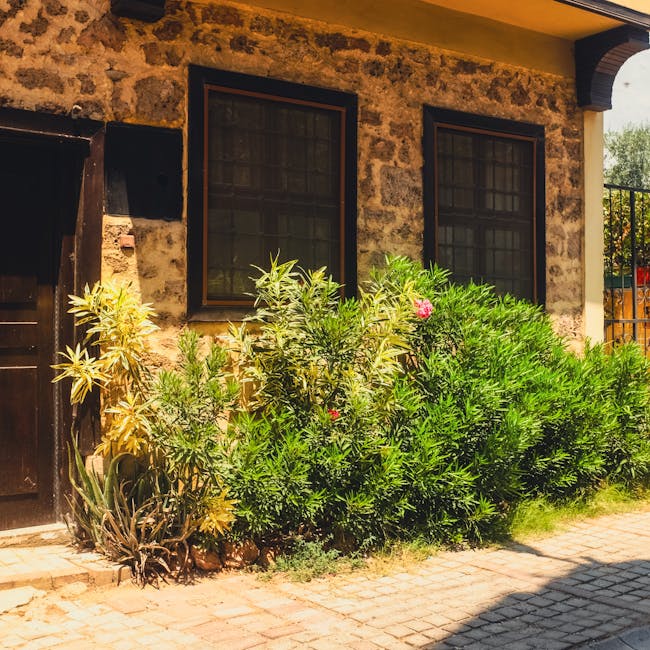
Best gardeners in Wallington SM6 for small front gardens
If you have a small front garden in Wallington, you already know it can be a bit of a balancing act. One wet week and the planting looks tired. One sunny stretch and the borders dry out fast. Add a narrow path, a front door that needs to stay welcoming, and the usual London rhythm of bins, parking, and day-to-day foot traffic, and suddenly the job is more than just "a bit of weeding".
That is where finding the best gardeners in Wallington SM6 for small front gardens really matters. The right gardener will not simply tidy things up. They will understand how to make a compact space look intentional, neat, and easy to maintain without turning it into a high-maintenance project. In a small front garden, every plant choice, edge line, and metre of soil has to work hard. Truth be told, that is exactly why good local experience counts.
This guide walks through what makes a gardener well suited to compact front gardens, how the process usually works, what to ask before hiring, and the practical details that often get missed. If you are comparing options or trying to decide whether to hire help at all, you should find this useful.
Table of Contents
- Why Best gardeners in Wallington SM6 for small front gardens Matters
- How Best gardeners in Wallington SM6 for small front gardens Works
- Key Benefits and Practical Advantages
- Who This Is For and When It Makes Sense
- Step-by-Step Guidance
- Expert Tips for Better Results
- Common Mistakes to Avoid
- Tools, Resources and Recommendations
- Law, Compliance, Standards, or Best Practice
- Options, Methods, or Comparison Table
- Case Study or Real-World Example
- Practical Checklist
- Conclusion
- Frequently Asked Questions
Why Best gardeners in Wallington SM6 for small front gardens Matters
Small front gardens are easy to underestimate. They look simple at a glance, but they tend to show every problem quickly: uneven pruning, poor soil, cluttered planting, tired edging, and missed seasonal maintenance. Because the space is close to the house and visible from the street, even a minor issue stands out. That is why a gardener who understands compact front gardens is so valuable.
In Wallington SM6, many front gardens need a careful, practical approach rather than a big redesign. You may want better kerb appeal, a cleaner entrance, more structure, or just a garden that does not become a weekend chore. A good local gardener will work with the limits of the space instead of fighting them. They know when to simplify, when to prune back, and when a small design change can make the whole frontage look more spacious.
Small gardens also tend to be more personal. They frame the first impression of your home. A neat path, a balanced planting scheme, and a front border that stays under control can make the whole property feel looked after. Not flashy. Just well judged. And honestly, that is usually what people want.
If you are already thinking about wider garden care, it can help to explore related services too, such as garden maintenance in Wallington, hedge cutting and trimming, or even a broader landscaping service if your front garden needs more than routine upkeep.
How Best gardeners in Wallington SM6 for small front gardens Works
For a small front garden, good gardening work usually starts with observation rather than tools. The gardener will look at the amount of sunlight, the drainage, soil condition, the shape of the path or driveway, and how much maintenance you actually want to take on afterwards. That first assessment shapes everything else.
In practical terms, the work often falls into a few stages:
- Assessment: checking the current layout, plant health, overgrowth, and problem areas.
- Clean-up: removing weeds, dead growth, fallen leaves, and any clutter that makes the space feel smaller.
- Reshaping: pruning shrubs, tidying edges, and defining borders so the garden looks intentional.
- Improvement: refreshing soil, adding mulch, improving drainage, or introducing better-suited planting.
- Maintenance planning: setting a schedule so the garden stays manageable, not just tidy for one afternoon.
A small front garden usually benefits from restraint. Too many plant varieties can make it look busy. Too much hard landscaping can make it feel harsh. The best gardeners tend to work in layers: structure first, then planting, then the finishing touches that make the space feel cared for. A front garden does not need to shout. It just needs to look right.
If you are not sure what that should look like, a helpful local starting point is to look at lawn care and seasonal upkeep if turf is part of the space, or planting and border design if you want a stronger visual finish without creating extra work for yourself later.
Key Benefits and Practical Advantages
There is a real difference between "a gardener came round" and "the front of the house now looks sorted". The best gardeners for compact front gardens deliver practical results you can see straight away, but also a shape and structure that hold up over time. That is the bit people often miss.
Here are the main benefits:
- Better kerb appeal: A tidy, balanced front garden improves the way your home feels from the street.
- Less maintenance: The right pruning and planting choices reduce weekly effort.
- More usable space: Small gardens can feel larger when edges, routes, and planting are properly planned.
- Healthier plants: Right plant, right place. Simple idea, big difference.
- Cleaner entrance areas: Good gardeners keep paths, steps, and frontage clear and safer to use.
- Better seasonal resilience: Compact spaces can dry out or become waterlogged faster, so thoughtful care matters.
One of the biggest advantages is consistency. A garden that is trimmed, edged, and planted with care will usually look better between visits than a space that has been hacked back aggressively once a year. The best gardeners in Wallington SM6 for small front gardens understand that small spaces need rhythm, not drama.
Expert summary: In a small front garden, the best results usually come from simple structure, low-fuss planting, and regular, light-touch maintenance. That approach keeps the garden neat without making it feel overworked.
Who This Is For and When It Makes Sense
Hiring a gardener for a small front garden makes sense for a few different types of homeowners and tenants. You do not need a huge property or an elaborate design to benefit. In fact, the smaller the garden, the more obvious poor maintenance becomes.
This service is especially useful if you:
- have limited time and want the frontage to stay presentable
- struggle with weeds, moss, or fast-growing shrubs
- want the garden to look better without major landscaping
- are preparing to sell or let a property and need it to look cared for
- prefer a low-maintenance design rather than a constant project
- have mobility issues, back strain, or simply do not enjoy the routine work
It also makes sense if you are doing a "reset" after a period of neglect. A lot of front gardens quietly fall behind. A hedge grows too high, the bed edges blur into the path, and suddenly the whole entrance feels smaller. A good gardener can bring it back into shape without overcomplicating things. Sometimes that first tidy-up is a relief. You feel it the moment you step outside.
And if your needs go beyond the front garden alone, services such as garden clearance or green waste removal can be useful add-ons when the space needs a proper refresh.
Step-by-Step Guidance
If you want to get the best outcome from a gardener, it helps to approach the job in a sensible order. A small garden can be transformed with fairly modest work, but the sequence matters. Here is a straightforward way to think about it.
- Define the goal. Do you want a neater look, easier upkeep, better planting, or a more welcoming entrance?
- List the problems. Note what is actually bothering you: weeds, overgrown shrubs, bare patches, poor drainage, tired pots, or messy edges.
- Measure the space roughly. Even approximate dimensions help a gardener plan materials and plant quantities.
- Decide your maintenance level. Low, medium, or seasonal? Be honest here. No point pretending you will deadhead things every week if you know you will not.
- Ask for a clear scope. Will the work include pruning, replanting, soil improvement, mulching, waste removal, and edging?
- Choose suitable plants and materials. For small front gardens, compact evergreens, neat perennials, and low-growing structure usually work better than anything sprawling.
- Agree on follow-up care. One visit can set the garden up, but a short maintenance plan keeps it looking good.
A useful rule of thumb: if the garden looks better but becomes harder to maintain, the design is probably off. The best local gardeners think about both appearance and aftercare. That is what separates a tidy-up from a real improvement.
If you are planning a more complete refresh, a service like soft landscaping can help with soil improvement, bed reshaping, and planting, while patio and path cleaning may be useful if the front entrance needs freshening up too.
Expert Tips for Better Results
There are a few practical things that make a noticeable difference in a small front garden. None of them are fancy. That is the point.
1. Keep the planting palette tight
Three or four well-chosen plant types often look better than eight competing ones. A smaller palette creates calm and makes maintenance easier. In compact spaces, calm is underrated.
2. Use structure to make the garden feel larger
Simple edging, clipped shapes, and a clean border line can visually open up a small front garden. It gives the eye somewhere to travel. Sounds minor, but it really works.
3. Prioritise year-round good looks
Choose planting that does not only look good for six weeks in spring. Evergreen form, winter structure, and at least some seasonal interest help the frontage feel cared for even when the weather is grey and the garden is not at its best.
4. Don't overload the entrance
Large containers, tall shrubs near the door, and cluttered ornaments can make a tiny space feel tighter. A little space around the front door feels calmer and more welcoming.
5. Think about maintenance first, design second
This is a big one. If the maintenance level is wrong, even a lovely design will frustrate you. The best gardeners in Wallington SM6 for small front gardens will usually ask how often you want to return to the work, and that question is worth taking seriously.
A small local observation: on a damp morning, you can often tell which front gardens have been designed with maintenance in mind. The edges are crisp, the path is clear, and nothing looks like it is already trying to escape. It makes a difference.
Common Mistakes to Avoid
Small front gardens are forgiving in some ways, but not in others. A few common mistakes can make the whole area feel awkward or more difficult to care for than it should be.
- Choosing plants for looks only: Some plants are beautiful but far too vigorous for a compact frontage.
- Ignoring drainage: Small gardens can suffer fast from standing water or compacted soil.
- Overcrowding the bed: It is tempting to fill every inch. Resist that urge.
- Skipping the edging: A garden without clear edges can look untidy even after a lot of work.
- Using too much mulch or gravel: These materials help, but too much can make a small space feel heavy or awkward.
- Not planning for growth: A shrub that looks polite in April can be a different beast by August.
Another mistake is hiring someone who treats the front garden like a back garden. They are not the same job. Front gardens need restraint, clear sightlines, and a tidy finish. A heavy-handed approach can make them feel smaller, not better.
That is why it pays to ask how the gardener thinks about scale. If they immediately talk about balance, low maintenance, and seasonal structure, that is a good sign. If they start talking about "just throwing in loads of colour", maybe pause for a moment.
Tools, Resources and Recommendations
You do not need a shed full of specialist kit to maintain a small front garden, but the right tools help. Good gardeners usually carry a practical, tidy set of tools and use them efficiently rather than dramatically. No theatrical pruning, please.
| Tool or resource | What it helps with | Why it matters in a small front garden |
|---|---|---|
| Hand pruners and secateurs | Trimming shrubs, deadheading, shaping | Small spaces need clean, controlled cuts |
| Half-moon edging tool | Defining lawn and border lines | Sharp edges make the whole space look cared for |
| Weed removal tools | Removing roots and persistent weeds | Weeds show quickly near the front door |
| Mulch or compost | Moisture retention and soil improvement | Useful where soil dries out fast |
| Low-maintenance planting guidance | Choosing suitable species | Prevents overcrowding and future headaches |
For ongoing upkeep, ask whether the gardener offers regular visits or seasonal tidy-ups. Some homeowners only need spring and autumn support; others prefer a monthly visit to keep everything under control. If your frontage includes a small lawn, a service like lawn mowing in Wallington may be worth bundling in. If hedges are part of the view, shrub and hedge pruning is often the difference between neat and neglected.
As for resources, the most useful one is often a straightforward conversation. Photos of the space in morning light, late afternoon, and after rain can tell a gardener more than a long message ever will. Slightly old-fashioned, maybe. But it works.
Law, Compliance, Standards, or Best Practice
For a small front garden, there is usually no complicated legal issue involved, but there are still sensible standards and practical duties to keep in mind. In the UK, gardeners and homeowners generally need to work with care, especially where waste, access, boundaries, and safety are concerned.
Some best-practice points are worth noting:
- Waste handling: Green waste should be removed responsibly. If a gardener is taking waste away, it is reasonable to ask how it will be disposed of.
- Safe working: Tools, ladders, and power equipment should be used carefully, especially near paths, steps, and entrances.
- Boundary awareness: Front gardens often sit close to neighbours, pavements, and shared edges. A careful gardener will respect boundaries and avoid damage.
- Property access: Keep gates, doors, and vehicles in mind when planning work.
- Plant choice and visibility: If a front garden affects sightlines near a driveway or path, planting should not block safe visibility.
If you live in a conservation-sensitive area or have a listed property, any larger changes should be checked carefully before work begins. For most routine maintenance, that will not be an issue, but if you are replacing hard surfaces, altering boundary features, or removing substantial planting, caution is wise.
Good practice is also about honesty. A trustworthy gardener will say when a job is outside the scope of a simple maintenance visit. That kind of clarity is a good sign, not a drawback.
Options, Methods, or Comparison Table
Different gardeners may approach a small front garden in different ways. The right option depends on how much change you want, how much time you have, and how tidy you want the space to remain between visits.
| Approach | Best for | Pros | Watch-outs |
|---|---|---|---|
| One-off tidy-up | Overgrown or neglected front gardens | Quick visible improvement, low commitment | May need follow-up maintenance |
| Seasonal maintenance | Gardens that mostly stay in shape | Good balance of cost and control | Can drift if skipped too long |
| Full front garden refresh | Spaces needing new layout or planting | Better structure, lower long-term effort | Needs clearer planning and a bigger budget |
| Low-maintenance redesign | Busy households or older homeowners | Easier upkeep, cleaner appearance | Requires disciplined plant selection |
If you are undecided, start with a tidy-up and assessment. That gives you a realistic picture of the garden's condition before committing to anything larger. To be fair, that is often enough for many small front gardens in Wallington. A clear trim, a bit of structure, and better planting can go a long way.
Case Study or Real-World Example
Imagine a modest front garden in Wallington with a narrow path, a small patch of lawn, two tired shrubs, and a border that has slowly filled with weeds. It is not a disaster, just messy in that quiet, creeping way gardens can become when life gets busy.
The first visit focuses on clearing the weeds, cutting back the shrubs, and redefining the border edge. That alone changes the feel of the space. Suddenly the path looks wider. The entrance feels lighter. A little more sun reaches the soil. The garden does not look "done to", it looks respected.
Next comes the planting update. Instead of squeezing in lots of different plants, the gardener uses a small, repeated palette: one evergreen for structure, one flowering plant for seasonal colour, and a low-growing filler to soften the edge. Compost is added where the soil feels tired, and mulch is used sparingly to hold moisture.
A month later, the space is still easy to manage. That is the real win. Not just better for one photo. Better on a Tuesday morning when it is a bit damp outside and you are rushing out the door with coffee in one hand.
If the same homeowner later wants to improve the side return or back area, they might bring in garden design support or plant care advice so the whole property feels more joined up. That kind of staged approach is often more practical than trying to do everything at once.
Practical Checklist
Use this checklist before hiring or briefing a gardener for a small front garden. It keeps the conversation grounded and saves a lot of back-and-forth later.
- Clarify whether you want a one-off visit or ongoing maintenance
- Take a few clear photos of the front garden in daylight
- Note the biggest problems: weeds, overgrowth, poor soil, clutter, or drainage
- Decide whether you want low-maintenance planting
- Ask what will happen to cuttings and green waste
- Confirm whether edging, pruning, and replanting are included
- Check if the gardener has experience with small urban or suburban front gardens
- Ask how they keep a compact space looking neat between visits
- Discuss access, parking, and where tools or materials can be stored during the job
- Agree what "finished" should look like before work begins
One more thing: if a gardener explains their plan in plain English, that is usually a good sign. You should not need a translation service for your own front garden.
Conclusion
Choosing the best gardeners in Wallington SM6 for small front gardens is less about finding someone who can do everything and more about finding someone who understands compact spaces properly. The right gardener will keep things neat without overfilling the garden, improve the look of the frontage without making maintenance harder, and help you get a result that feels calm, welcoming, and realistic for everyday life.
Small front gardens reward good judgement. They need restraint, a sharp eye, and practical aftercare. If you get those three things right, the space can feel bigger, brighter, and much easier to live with. And that little bit of order at the front of the house has a way of making the whole place feel better. Funny how that works.
If you are ready to move forward, a quick quote and a clear discussion about your goals is the best next step. A good local gardener will usually be happy to talk through options, suggest simpler alternatives if they suit the space better, and help you avoid choices you may regret later.
Get a free quote today and see how much you can save.
Sometimes the smallest garden makes the biggest difference. Get that one right, and the rest follows naturally.
Frequently Asked Questions
What should I look for in a gardener for a small front garden?
Look for someone who understands scale, low-maintenance planting, neat edging, and regular upkeep. For a small front garden, experience with compact spaces matters more than flashy landscaping claims.
How often should a small front garden be maintained?
That depends on the planting and your preferences. Some gardens only need seasonal visits, while others benefit from monthly upkeep. If growth is fast or the frontage is very visible, lighter but more regular maintenance usually works best.
Is a one-off tidy-up enough for a small front garden?
Sometimes, yes. If the garden is mainly overgrown or just untidy, one well-planned visit can make a big difference. If you want it to stay neat, though, a follow-up schedule is usually worth it.
Can a gardener help make my front garden look bigger?
Yes. Clear edges, reduced clutter, better plant spacing, and stronger structure can all make a small front garden feel larger. Simple changes often have a bigger effect than people expect.
What plants work best in a small front garden?
Compact evergreens, tidy perennials, low-growing shrubs, and plants that suit the light and soil conditions are usually the safest choices. The best plants are the ones that still look good without constant fuss.
How do I keep a front garden low maintenance?
Choose fewer plant varieties, use the right soil improvement, mulch sensibly, and avoid fast-spreading species unless you really want the extra work. A gardener can help you design for simplicity from the start.
Do gardeners remove green waste?
Often yes, but it is always worth confirming. Some gardeners include waste removal in the service, while others separate it. Ask before work begins so there are no surprises.
Will a gardener help with weeds and overgrown borders?
Yes, that is one of the most common jobs. A good gardener will remove weeds, reshape borders, and tidy the space so it is easier to maintain afterwards.
How can I tell if a gardener understands front garden design?
They should talk about balance, visibility, maintenance, and proportion. If they only focus on decoration without mentioning upkeep, that is a slight warning sign.
Is it worth hiring a gardener if I only have a tiny frontage?
Absolutely. Tiny spaces can be awkward to maintain neatly, especially if you want them to look good all year. A skilled gardener can make a small area feel much more polished with relatively modest work.
What should I ask before booking a gardener in Wallington SM6?
Ask about experience with small front gardens, what is included in the quote, how waste is handled, whether follow-up visits are available, and how they would approach your specific space. A short, practical conversation usually tells you a lot.
When is the best time to improve a small front garden?
Spring and early autumn are often sensible times for planting and tidy-up work, but maintenance can happen year-round. The best timing depends on the condition of the garden and what needs doing. Some jobs should not wait, to be fair.