Before and after Wallington garden makeover by local gardeners
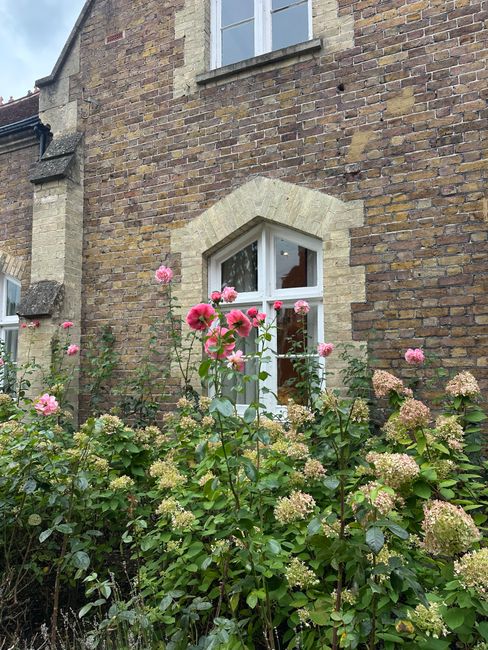
If you have ever looked out at a tired lawn, overgrown hedge, patchy borders, and a patio that has seen better days, you will know the feeling. The garden is there, but it does not feel usable, welcoming, or even manageable. That is exactly where a Before and after Wallington garden makeover by local gardeners becomes more than a nice idea - it becomes a proper turning point.
In Wallington, gardens often need a mix of practical tidy-up work and thoughtful design. Some spaces need a full reset after a long spell of neglect. Others just need a smarter layout, a cleaner finish, and a few well-chosen improvements to make the whole place feel bigger and brighter. This article breaks down what a makeover really involves, what good results look like, and how local gardeners usually approach the job without overcomplicating things.
You will also find a simple step-by-step process, a realistic comparison of options, a practical checklist, and a few human observations from the kind of jobs people often want done around South London. Let's face it, gardens rarely fail for one dramatic reason. It is usually a handful of small issues building up over time.
- Why the makeover matters
- How the process works
- Key benefits and practical advantages
- Who this is for and when it makes sense
- Step-by-step guidance
- Expert tips for better results
- Common mistakes to avoid
- Tools, resources and recommendations
- Law, compliance, standards and best practice
- Options, methods and comparison table
- Case study or real-world example
- Practical checklist
- Conclusion
- Frequently asked questions
Why Before and after Wallington garden makeover by local gardeners Matters
The before-and-after story is not just about making a garden look nicer for a photo. It matters because the garden is part of how a home feels, functions, and holds together. In Wallington, where many homes balance compact outdoor spaces with everyday family use, a badly maintained garden can quickly become dead space. Or, honestly, a bit of a headache.
A well-planned makeover can change how you use the property. A narrow side path becomes accessible again. A muddy patch can be turned into a lawn, a gravel area, or a planted border. A hedge that has swallowed daylight can be cut back so the room inside feels brighter. Small changes, but they add up.
Local gardeners also tend to understand the practical realities of the area: shade from neighbouring trees, uneven ground, older brick boundaries, and gardens that need tidy, repeatable maintenance rather than a one-off cosmetic flourish. That local experience matters. It means the makeover is more likely to last, not just look good for a week.
Expert summary: The best garden makeovers usually start with clearance and structure, then move into detail. If the bones of the garden are right, the finishing touches feel easy instead of forced.
If you want a sense of how wider services fit together, the services overview is a useful place to understand the different parts of a garden transformation, from routine care to bigger changes.
How Before and after Wallington garden makeover by local gardeners Works
A garden makeover usually follows a practical sequence. The exact order depends on the space, but the logic is nearly always the same: clear, assess, shape, build, finish, then maintain. That sounds simple because, in truth, the simple version usually works best.
Local gardeners typically begin with a site visit or a clear set of photos. They look at how the space is used, where drainage sits, what is overgrown, and which features are worth keeping. A mature shrub in the wrong place may need reshaping rather than removal. A damaged lawn might need repair rather than total replacement. Good gardeners do not automatically rip everything out. That would be a bit keen, wouldn't it?
From there, the work may include garden clearance, hedge trimming, lawn mowing, tree work, new planting, landscaping, or even structural additions like decking. If the garden has become cluttered with old pots, broken fencing, weeds, and waste, a proper garden clearance service can give the team a clean slate to work from.
For many homeowners, the biggest change comes from proportion. A garden starts to feel different as soon as the edges are crisp, the lawn is level, and the main sightlines are open. Suddenly the space makes sense. You can see where people walk, where they sit, and where plants belong.
Key Benefits and Practical Advantages
There are plenty of reasons people look for a before-and-after makeover, but the strongest ones are practical. A prettier garden is nice. A garden you can actually use is better.
- More usable space: Clearing clutter and reshaping the layout can make a small garden feel larger.
- Better first impressions: A tidy frontage or rear garden lifts the whole home's presentation.
- Lower maintenance stress: Once the structure is right, ongoing care is easier to manage.
- Improved safety: Removing trip hazards, unstable branches, and blocked paths helps reduce everyday risk.
- Healthier planting: Proper light, spacing, and soil preparation give plants a better chance.
- Stronger value from future upkeep: Maintenance becomes more predictable when the garden is already organised.
There is also a quieter benefit people sometimes miss: peace of mind. A messy outdoor space can niggle at you every time you look at it. After a makeover, that background stress drops away. You notice it on a damp morning when the garden still looks neat, or on a Saturday afternoon when you can actually enjoy it without first spending two hours wrestling with it.
For ongoing care after the makeover, regular garden maintenance helps preserve the result, especially if you want the space to stay clean, green, and easy to manage throughout the year.
Who This Is For and When It Makes Sense
This kind of project suits a wide range of homeowners and landlords. The common thread is simple: the garden has become either underused, overgrown, or disconnected from the way the property is actually lived in.
You might be a good fit if:
- you have just moved into a property and the outdoor space needs a reset
- your garden has been neglected for one season too many
- you want a more family-friendly or pet-friendly layout
- you are preparing a home for sale or letting
- the existing garden feels dark, cramped, or cluttered
- you want lower-maintenance planting and cleaner boundaries
It also makes sense if you already know the garden is structurally fine, but the presentation is letting the place down. Sometimes the answer is not a full rebuild. Sometimes it is just better hedge work, better lawn care, and sharper edges. A surprisingly small amount of effort can change the feel of a garden from "I'll deal with that later" to "actually, this is nice."
When hedges are part of the problem, hedge trimming can open up light, restore boundaries, and tidy the shape of the whole garden. In many makeovers, that one task makes everything else look better.
Step-by-Step Guidance
A good makeover does not start with a spade in the ground. It starts with a plan. A little boring, maybe, but the boring bit saves money and avoids rework later.
-
Walk the garden and define the problem
Identify what is actually wrong. Is it overgrowth, poor layout, weak drainage, lack of privacy, tired surfacing, or all of the above? Be honest here. Half-fixes are often more expensive in the long run.
-
Clear away the non-negotiables first
Remove waste, dead material, broken pots, damaged timber, and anything blocking access. If a tree is unsafe or structurally compromised, tree lopping and removal may be required before any meaningful redesign can happen.
-
Decide what stays
Not everything needs to go. Mature plants, good-quality paving, or a healthy hedge may be worth keeping. Retaining the right features can save time and keep the garden feeling established rather than stripped bare.
-
Set the layout
Think about movement, seating, borders, and focal points. Where do you want to walk? Where will water collect? What do you want to see from the kitchen window?
-
Complete the key structural work
This may involve reshaping levels, installing edging, building raised beds, refreshing turf, or adding decking. If you are considering a more defined outdoor living area, decking services can create a more usable space for seating and social areas.
-
Finish with planting and detail
Plants, mulch, lighting, and clean edges do a lot of visual heavy lifting. A garden can be technically complete but still feel unfinished until these details are in place.
-
Lock in maintenance
Plan how the garden will be kept under control. Otherwise the "after" picture can quietly slide back toward "before" in a few months. It happens. More often than people admit.
Expert Tips for Better Results
The best garden makeovers are rarely the most expensive ones. They are usually the most considered. A few experienced habits make a big difference.
- Start with structure, not shopping lists. It is tempting to choose plants first, but layout and usability matter more.
- Use repeat planting for calmness. Repeating a small number of plant types often looks more polished than a random mix.
- Allow for growth. New planting needs space to mature. Crowding things from day one is a classic mistake.
- Keep the edges sharp. Crisp lawn lines and neat borders make even modest gardens look better straight away.
- Think seasonally. What looks good in late spring may need a different balance in winter. Year-round structure matters.
- Make the maintenance realistic. If you are not going to prune every fortnight, design for the life you actually live, not the one you imagine.
A small but useful tip: stand at the back door and look out. Then walk to the far end and look back. If the space still feels awkward from both angles, it probably needs another design pass. That tiny habit catches a lot of issues early.
If you want to keep growth under control after the makeover, ongoing lawn mowing and seasonal care help the whole garden hold its shape rather than drifting out of line.
Common Mistakes to Avoid
Most bad results do not come from bad intentions. They come from rushing. Or from assuming the garden will somehow sort itself out after the "big tidy". It usually does not.
- Ignoring drainage: A pretty surface is not much use if water sits where you want to walk.
- Over-clearing too fast: Removing too much vegetation can leave the space exposed and stark.
- Choosing style before function: A good-looking garden that is awkward to use gets old quickly.
- Forgetting access: Narrow gates, side paths, and awkward corners affect how work is delivered and maintained.
- Using unsuitable plants: Shady, windy, or compact spaces need plants that can cope with the conditions.
- Skipping aftercare: The garden does not finish itself. Bit of a nuisance, but there it is.
Another common issue is overcomplicating the design. People sometimes want every corner to have a feature. In reality, fewer features often read as more premium. Space to breathe is a design element too.
If you have heavy waste, collapsed growth, or years of accumulated clutter, tackling it properly first is far more sensible than trying to decorate around the mess. That is where a structured garden clearance approach can save time and make the rest of the project straightforward.
Tools, Resources and Recommendations
Not every homeowner needs specialist tools, but it helps to understand what is typically used during a professional makeover. This also gives you a better sense of why some jobs take longer than others.
| Tool or resource | Typical use | Why it matters |
|---|---|---|
| Strimmer or mower | Grass control and edging | Keeps the lawn area clean and defined |
| Pruning tools | Hedges, shrubs, and shaping work | Supports healthy growth and a tidy finish |
| Wheelbarrow and waste bags | Clearance and green waste handling | Speeds up removal and keeps the site orderly |
| Spade, fork, and rake | Soil preparation and levelling | Useful for borders, turfing, and replanting |
| Edging tools | Border definition | Creates that crisp before-and-after difference people notice first |
| Design sketch or site plan | Layout decisions | Prevents guesswork and keeps the project focused |
For homeowners comparing services, the most useful resource is often a clear service breakdown and a transparent quote process. You can review pricing and quotes to understand how a provider frames the work and what information they may need from you before starting.
It is also worth checking whether the team gives sensible advice on long-term upkeep, not just the initial work. A makeover that is hard to maintain is, frankly, not a great makeover.
Law, Compliance, Standards and Best Practice
Garden makeover work is not usually heavily regulated in the way building work can be, but there are still important standards and responsibilities to think about. This is where careful, professional practice matters.
If trees are involved, it is sensible to check for ownership, nesting birds, and any local constraints before work begins. Good contractors will treat tree reduction or removal cautiously and will not rush into cutting large limbs without assessing the site first. For general customers, the main point is simple: if something looks unsafe, ask rather than assume.
Waste handling is another area where best practice matters. Green waste, timber, soil, plastic, and broken materials should be separated where practical and disposed of responsibly. A tidy site is one thing. A responsibly managed site is better. If sustainability matters to you, it is worth asking how waste is handled and whether materials can be reused or recycled where possible. The recycling and sustainability page gives a useful sense of that approach.
Health and safety should also be part of the conversation. That includes safe tool use, sensible access, awareness of hidden hazards, and good housekeeping around the work area. You do not need a lecture on every nut and bolt, but you do want a team that takes it seriously. If you are comparing providers, health and safety policy and insurance and safety are useful trust signals.
For customer-facing matters such as payments, written terms, and complaints handling, it is reassuring when a business has clear policies in place. That does not mean problems never happen. It means there is a proper process when they do. The same goes for terms and conditions, which should set expectations in plain language.
Options, Methods, and Comparison Table
Not every Wallington garden needs the same kind of makeover. Some benefit from a light refresh. Others need a full rebuild of the space. The right choice depends on budget, time, and the condition of the garden.
| Approach | Best for | Typical strengths | Possible drawbacks |
|---|---|---|---|
| Quick refresh | Mostly tidy gardens with minor overgrowth | Fast, cost-conscious, immediate visual lift | Limited change to layout or function |
| Clear-and-restore | Neglected gardens needing a reset | Big improvement in usability and access | Can still feel basic without design work |
| Full makeover | Gardens needing layout, planting, and surface changes | Most transformation potential | Takes more planning and budget |
| Maintenance-led improvement | Gardens that are fine structurally but need ongoing care | Steady, manageable, sustainable | Slower to show dramatic before-and-after results |
If your space is already functional, a maintenance-led approach may be the smartest choice. If it has been left too long, a full reset might be more sensible. And if you are somewhere in the middle, a combination of clearance, reshaping, and selective landscaping can be ideal.
Case Study or Real-World Example
Picture a typical Wallington back garden: a narrow lawn, a hedge growing wider every year, some tired paving, and a corner full of old pots and general garden drift. Nothing dramatic. Just a space that has quietly slipped from manageable to awkward.
The makeover starts with clearance. The clutter goes, the hedge is reduced, and the lawn is cut back to a sensible height. Suddenly the garden has light again. That alone changes the mood of the whole space. The next stage is to define the edges more clearly, tidy the borders, and decide whether part of the garden should become a seating area or a more durable surface. In many cases, a small amount of landscape gardening planning goes a long way.
Now imagine the after version. The lawn reads as one space rather than three. The hedge no longer crowds the boundary. A sitting area feels intentional instead of squeezed in. The garden still looks like a real family garden - not a showroom - but it feels calmer, clearer, and much easier to live with. That is the sweet spot, really.
What changes most is not only appearance. It is the sense of control. The owner stops dreading the next burst of growth because the structure is finally in place. The garden becomes something to enjoy again, not simply manage.
Practical Checklist
Use this checklist before starting a makeover or speaking to a local gardener.
- Identify the main problem: clearance, layout, planting, access, or maintenance
- Decide what must be removed and what can stay
- Check whether the lawn needs repair, re-turfing, or just better care
- Look at hedge height, privacy, and available light
- Think about how the garden is used in everyday life
- Set a realistic budget and avoid adding too many features at once
- Ask how waste will be handled and where green material goes
- Confirm whether any trees or larger woody growth need attention
- Plan follow-up maintenance from the start
- Request a clear quote and timeline before work begins
If you are still unsure where to begin, start small. Even a simple tidy-up, mowing, and hedge reduction can create enough order to see the garden properly again. That is often the moment the better plan becomes obvious.
Get a free quote today and see how much you can save.
If you are comparing local providers, it can also help to learn more about the team itself and how they work. The about us page is useful for understanding approach, and the contact us page is the place to take the next step once you are ready.
Conclusion
A good Before and after Wallington garden makeover by local gardeners is never just about the photo at the end. It is about restoring order, improving how the space works, and making the garden feel like part of the home again. When the plan is grounded in practical needs - clearance, structure, maintenance, and a finish that suits the property - the result lasts longer and feels more natural.
To be fair, the best outcomes are often the ones that look effortless. But they are not effortless at all. They come from careful assessment, sensible sequencing, and attention to the little details that most people only notice after the work is done. That is the quiet value of local experience.
Whether your garden needs a simple tidy-up or a more complete transformation, the first step is usually the same: look at the space honestly, decide what it needs, and build from there. Small decisions, made well, can change the whole feel of a garden. And that is a lovely thing when it happens.
Frequently Asked Questions
What does a garden makeover usually include?
A garden makeover can include clearance, hedge trimming, lawn work, planting, layout changes, new edging, and sometimes features like decking or improved surfacing. The exact mix depends on the condition of the space and what you want it to do.
How long does a before and after garden makeover take?
It varies a lot. A light refresh may take a day or two, while a more involved transformation can take longer if clearance, shaping, and structural work are needed. Weather, access, and the size of the garden all affect timing.
Do I need a full makeover or just maintenance?
If the garden is already functional and mostly tidy, maintenance may be enough. If it is overgrown, awkward to use, or visually disorganised, a fuller makeover is usually the better choice. A decent gardener can help you tell the difference.
What makes local gardeners in Wallington a good choice?
Local gardeners are often familiar with the kinds of gardens common in the area, including smaller urban spaces, mature boundaries, and mixed-use family gardens. That practical familiarity helps them make more realistic recommendations.
Can a small garden still have a noticeable before and after?
Absolutely. Small gardens often show the biggest change from tidy edges, better spacing, and a clearer layout. In compact spaces, even modest improvements can make the garden feel much more open.
Is garden clearance always needed first?
Not always, but it is very common. If the garden has accumulated waste, dead growth, or unusable clutter, clearance makes every later step easier. Without it, the redesign is working around the problem instead of solving it.
What should I ask before hiring a gardener for a makeover?
Ask what is included, how waste is handled, whether the quote covers labour and materials, how long the work should take, and what maintenance will be needed afterwards. Clear answers now can prevent annoyance later.
Do makeovers improve garden value?
They can improve the appeal and usability of a property, which may matter if you are selling or letting. It is better to think of it as improving presentation and function rather than expecting a guaranteed financial return.
What if I only want a simple transformation?
That is completely fine. A simple transformation might mean hedge shaping, lawn recovery, and border tidying. Not every project needs new paving or major landscaping to feel like a before-and-after success.
How do I keep the garden looking good after the makeover?
Set a maintenance routine early. Regular mowing, seasonal trimming, weed control, and occasional tidy-ups will help protect the work you have paid for. It is much easier to maintain a good structure than to recreate it later.
Are there safety or waste issues I should think about?
Yes. Large branches, uneven ground, hidden debris, and waste handling all need proper care. It is sensible to choose a provider that takes health and safety seriously and manages waste responsibly.
How do I get started with a quote?
Gather a few photos, make a short list of what you want changed, and contact the gardener with a clear description of the space. If you are ready to move forward, start with the company's contact us page and ask for advice based on your garden's condition.